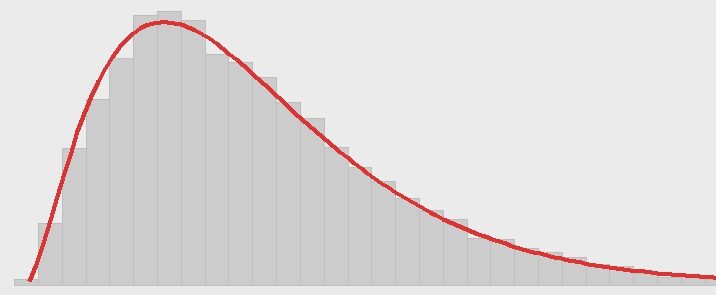
Most of my lectures combine theory and practice, because it is thorugh practice that one truly learns a mathematical subject. I solve a large number of exercises commenting on the approach that I follow to identify what is being asked and how I work toward a solution. I do these exercises live, and invite students to chime in with questions or observations.
One potential pitfall, however, is that students may focus on watching me solve problems rather than actually solving them themselves.
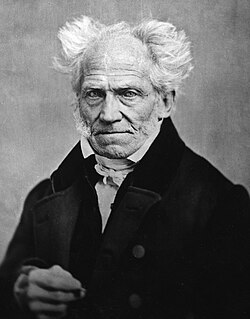
Arthur Schopenhauer, the German philosopher, argued that while knowledge matters, understanding requires reflection. An unexamined accumulation of facts is like a chaotic library—less useful than a smaller, well-ordered collection that has been carefully considered. Reading, he warned, can become “thinking with someone else’s head”; only pondering allows what we take in to take root, rather than slip away.
In the same way, watching me solve exercises without reflecting on them—or attempting them independently afterward—can become a passive experience, not unlike scrolling through social media. That is why I urge my students to revisit the exercises and to try solving them on their own. Only then does learning become durable and genuinely their own.